


How to Choose the Right Fabric for Your Custom Suit: The Ultimate Guide by Ba Vi Tailor
When you step into the world of bespoke tailoring, you are not just buying a piece of clothing; you are investing in an extension of your personality, status, and style. A well-tailored suit speaks volumes before you even say a word. However, while the skill of the artisan cutter and the precision of the stitching are paramount, the foundation of every masterpiece lies in one critical element: the fabric.
Choosing the right fabric is arguably the most critical decision in your tailoring journey. It dictates how the suit drapes, how it breathes, how it feels against your skin, and how long it will last.
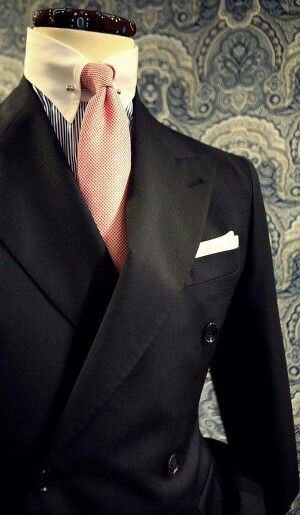
If you are looking to commission a world-class custom suit Ho Chi Minh, navigating the thousands of fabric swatches available can feel overwhelming. As Ba Vi Tailor, widely recognized as a premier destination for those seeking the best tailor Ho Chi Minh, we have crafted this comprehensive guide to help you master the art of fabric selection. Whether you are designing your very first black suit for a formal gala or building a versatile business wardrobe, here is everything you need to know.
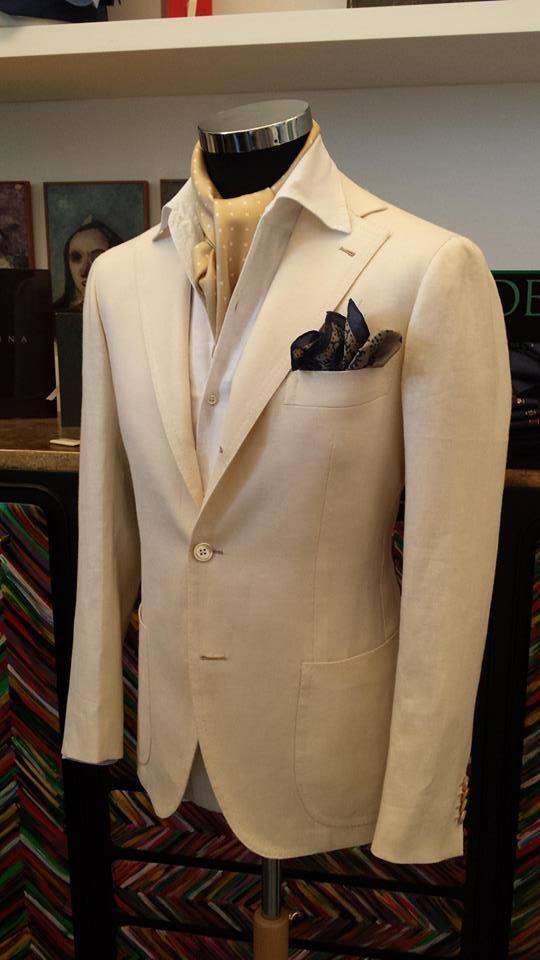
1. Why the Fabric Matters: The Soul of Your Custom Suit Ho Chi Minh
Before diving into specific materials, it is essential to understand why fabric selection carries so much weight. In premium tailoring, the fabric affects three core pillars:
Appearance and Drape
Different materials have distinct weights and structures. A heavy British wool will create sharp, clean lines and hold its shape flawlessly, whereas a pure Italian linen will embrace natural creases, offering a relaxed, effortless elegance. The way a suit Ho Chi Minh hangs on your shoulders depends entirely on the textile’s drape.
Comfort and Climate Suitability
Ho Chi Minh City is famous for its tropical climate—warm, humid, and energetic. A fabric that works perfectly for a brisk winter day in London or New York will leave you uncomfortable on the streets of Saigon. When visiting a tailor Ho Chi Minh, you must consider the weight and breathability of the cloth to ensure your suit is as functional as it is fashionable.
Longevity and Durability
Are you designing a daily workhorse suit for corporate meetings, or a delicate luxury garment reserved for high-end events? Some fabrics are incredibly resilient and resist wrinkles, while others require meticulous care. Aligning the fabric with the suit’s intended purpose ensures you get the maximum return on your investment.
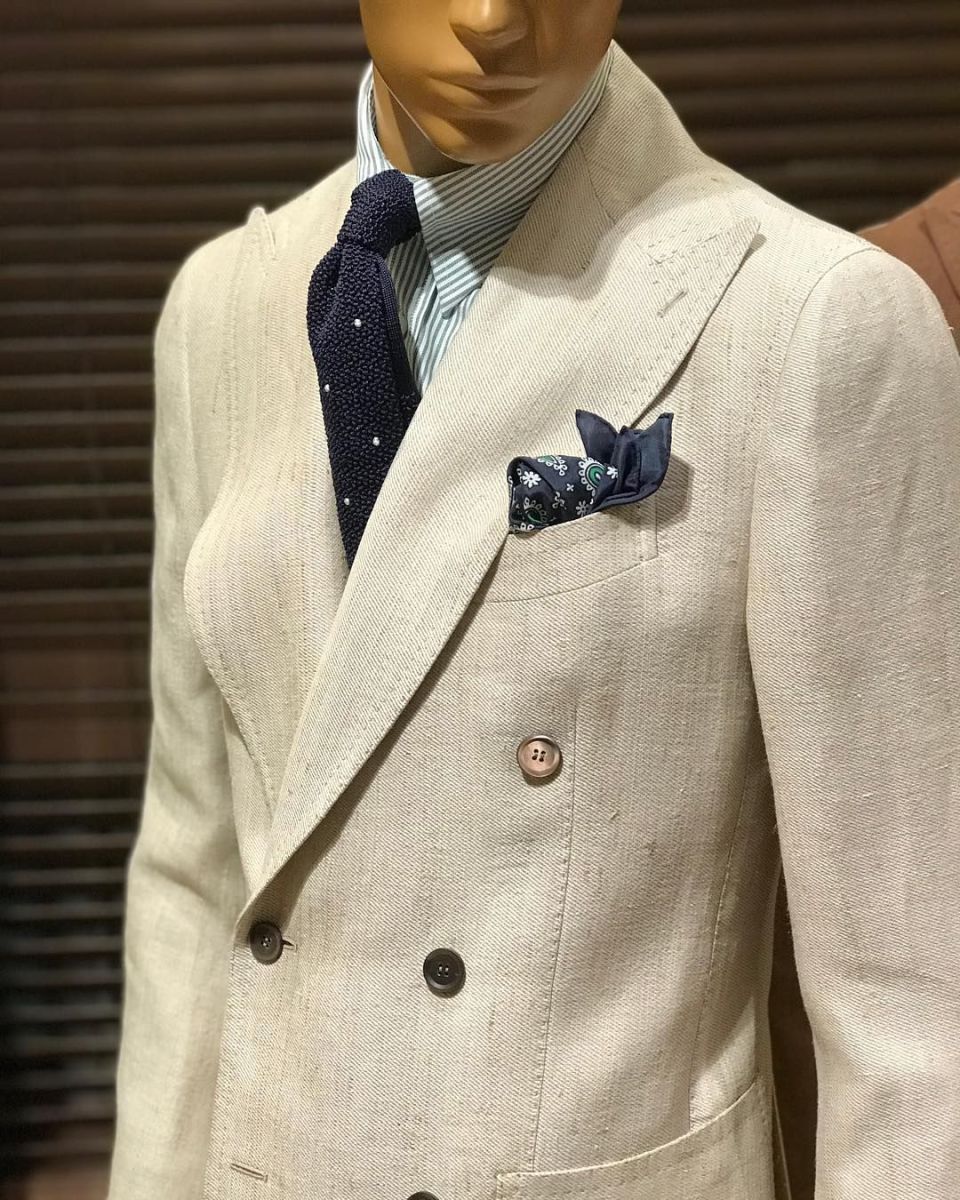
2. The Anatomy of Suit Fabrics: Understanding Fibers
The journey of choosing the perfect fabric begins with the fiber. Suit fabrics are broadly categorized into natural fibers (wool, cotton, linen, silk, cashmere) and synthetic fibers (polyester, rayon). At Ba Vi Tailor, we strongly advocate for natural fibers due to their superior breathability, aesthetic appeal, and longevity.
Here is a breakdown of the primary fibers used to craft a premium custom suit Ho Chi Minh:
A. Wool: The Undisputed King of Tailoring
Wool is the gold standard for suiting. It is incredibly versatile, naturally breathable, resilient against wrinkles, and possesses an inherently luxurious drape. Wool fibers are crimped, meaning they trap air and provide natural temperature regulation—keeping you warm in the winter and cool in milder climates.
-
Worsteds: Most high-end business suits are made from worsted wool. The fibers are combed to remove short hairs, leaving long, smooth strands that are tightly spun. This creates a smooth, durable, and slightly lustrous finish.
-
Flannel: A brushed wool that is incredibly soft and heavy. While iconic, it is often too warm for the daily climate in Vietnam, making it better suited for travel wardrobe pieces.
-
Tweeds and Cheviots: Coarse, heavy wools ideal for rugged, rustic jackets.
B. Linen: The Tropical Essential
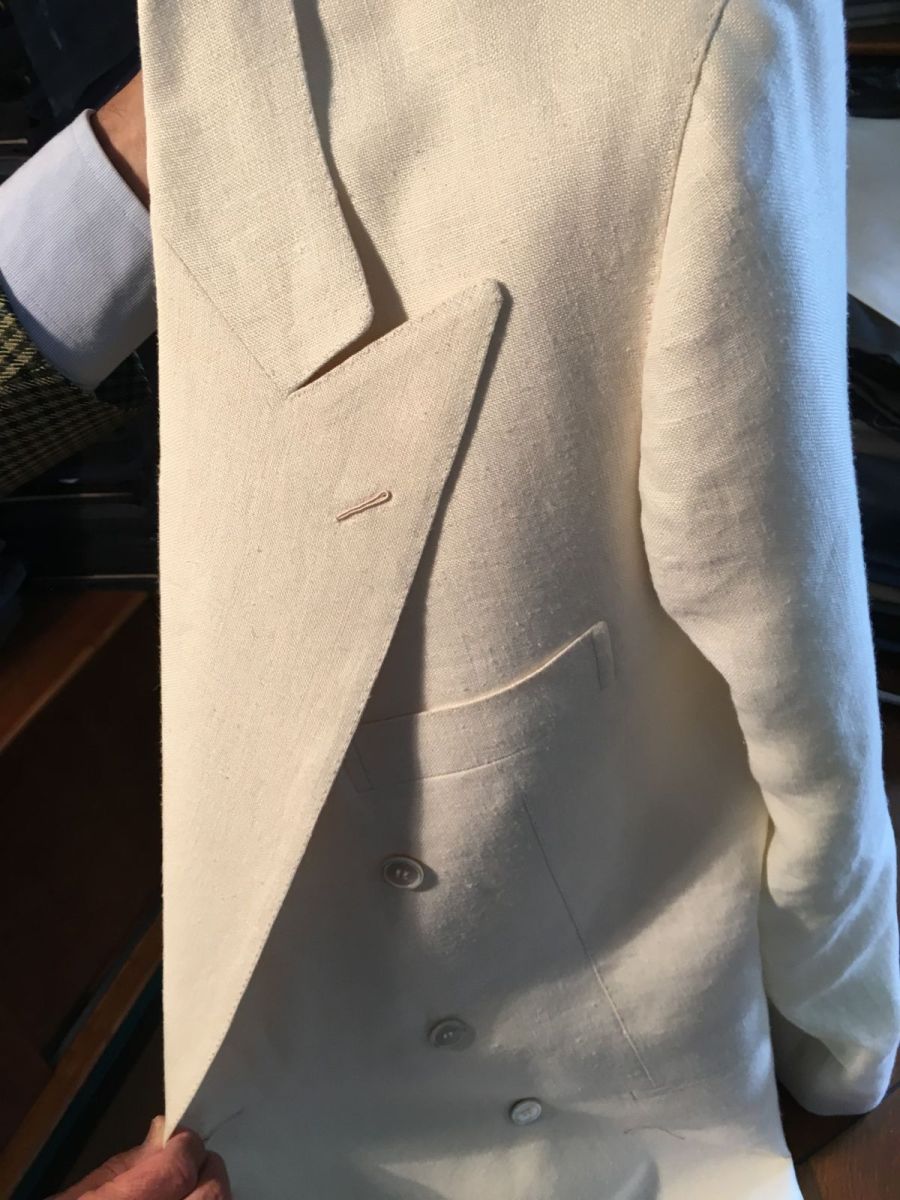
For anyone living in or visiting Vietnam, linen is a game-changer. Derived from the flax plant, linen features a loose weave that allows maximum airflow. It wicks moisture away from the body rapidly, making it the ultimate choice for a summer suit Ho Chi Minh.
-
The Pros: Unmatched breathability, lightweight feel, and a distinct casual-chic aesthetic.
-
The Cons: It wrinkles instantly. However, in the world of menswear, high-quality linen wrinkles are viewed not as a flaw, but as a sign of effortless luxury—often referred to as “splendid wrinkling.”
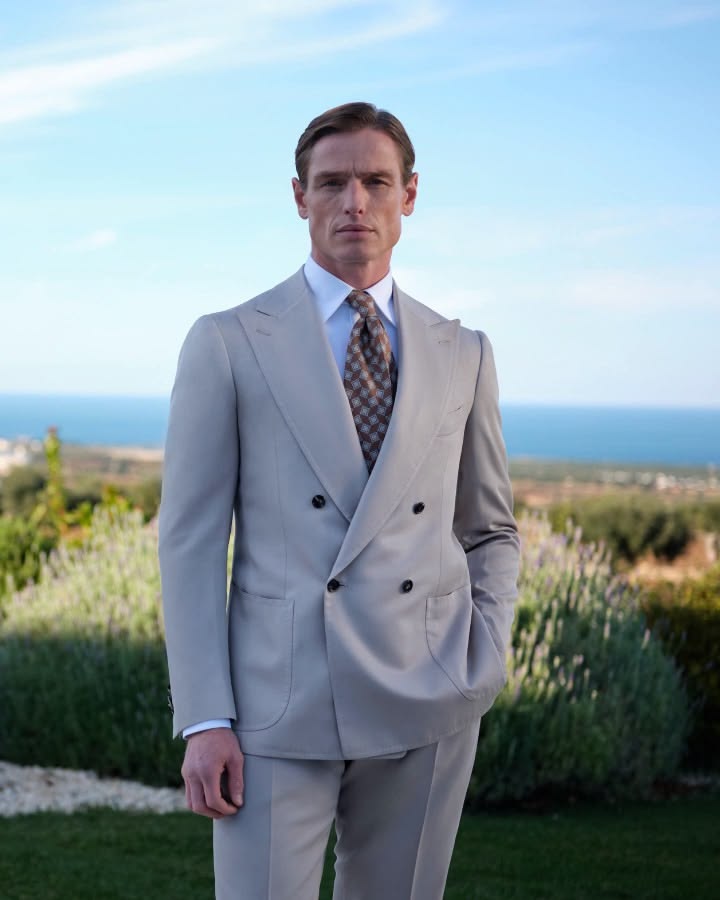
C. Cotton: The Casual Workhorse
Cotton is stiffer than wool but softer than linen. A custom cotton suit offers a clean, structured look that bridges the gap between formal and casual.
-
Best For: Khaki or navy chinos, casual blazers, and summer suits. It breathes well but lacks the natural elasticity of wool, meaning it will crease more easily and lose its shape over long days of wear.
D. Silk and Cashmere: The Ultimate Luxury Blends
Pure silk or pure cashmere suits are rare and highly delicate. Instead, weavers mix these luxury fibers with wool to create exquisite fabric blends.
-
Silk Blends: Add an incomparable sheen and tensile strength to the fabric, making it perfect for an evening black suit or tuxedo.
-
Cashmere Blends: Inject a heavenly softness ("hand-feel") and warmth into the cloth, creating a garment that feels like a second skin.
3. The Ultimate Guide to Patterns and Colors
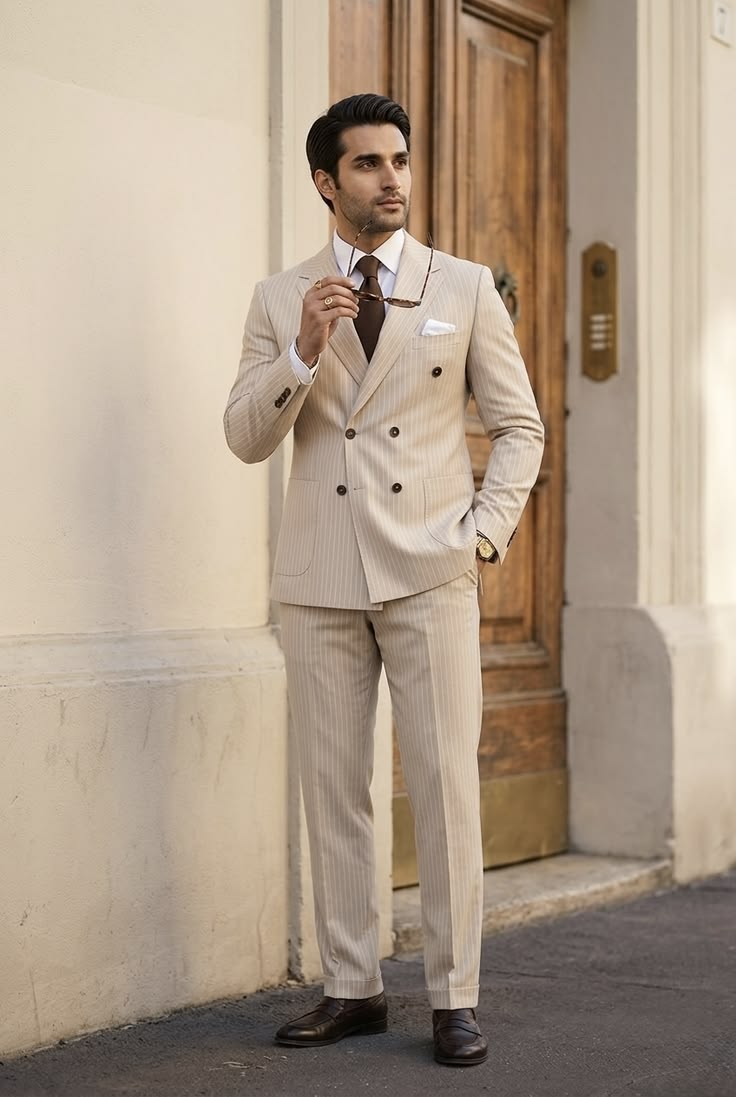
Once you have settled on the fiber, it is time to choose the visual aesthetic. The color and pattern of your fabric determine the suit’s formality and versatility.
The Foundation Colors
If you are building a wardrobe from scratch, we recommend following a specific order of acquisition:
-
Navy Blue: The ultimate versatile suit. It works for job interviews, boardrooms, weddings, and casual nights out when worn as a separate blazer.
-
Charcoal Grey: The epitome of corporate professionalism. It is understated, elegant, and matches perfectly with almost any shirt and tie combination.
-
The Black Suit: Every man needs an immaculate black suit. While historically reserved for funerals and black-tie events, a modern tailored black suit crafted by the best tailor Ho Chi Minh offers an incredibly sleek, sharp, and modern silhouette for high-end evening dinners, galas, and VIP events.
Classic Suiting Patterns
If you want to move beyond solid colors, consider these timeless patterns:
-
Pinstripes: Vertical lines that create an illusion of height and length. A classic choice for executive business environments.
-
Windowpane: A bold, minimalist check pattern formed by wide-spaced lines. Excellent for separate sport coats or for making a confident statement.
-
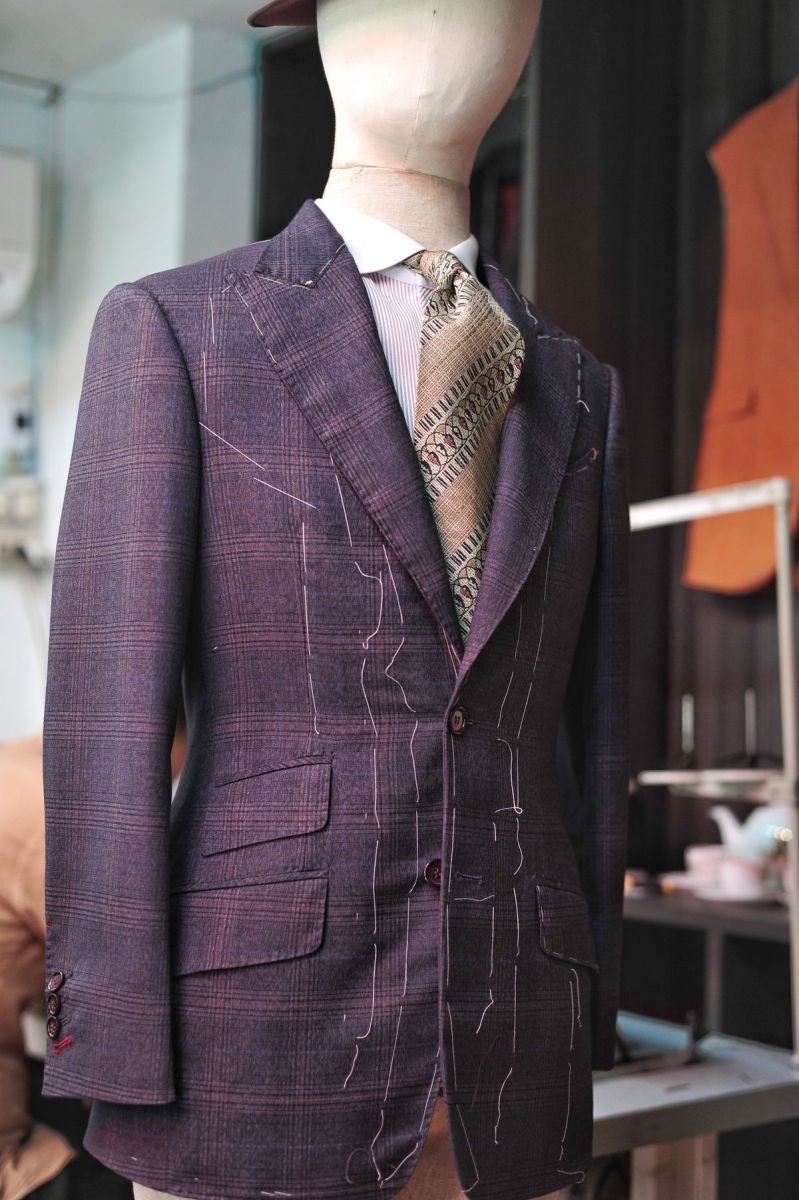
Glen Plaid (Prince of Wales): A sophisticated woven design featuring a combination of large and small checks. It adds incredible depth and texture to a custom suit.
-
Houndstooth: A dual-tone broken check pattern that adds a vintage, intellectual flair to blazers and autumn suits.
4. Aligning Fabric Selection with the Occasion
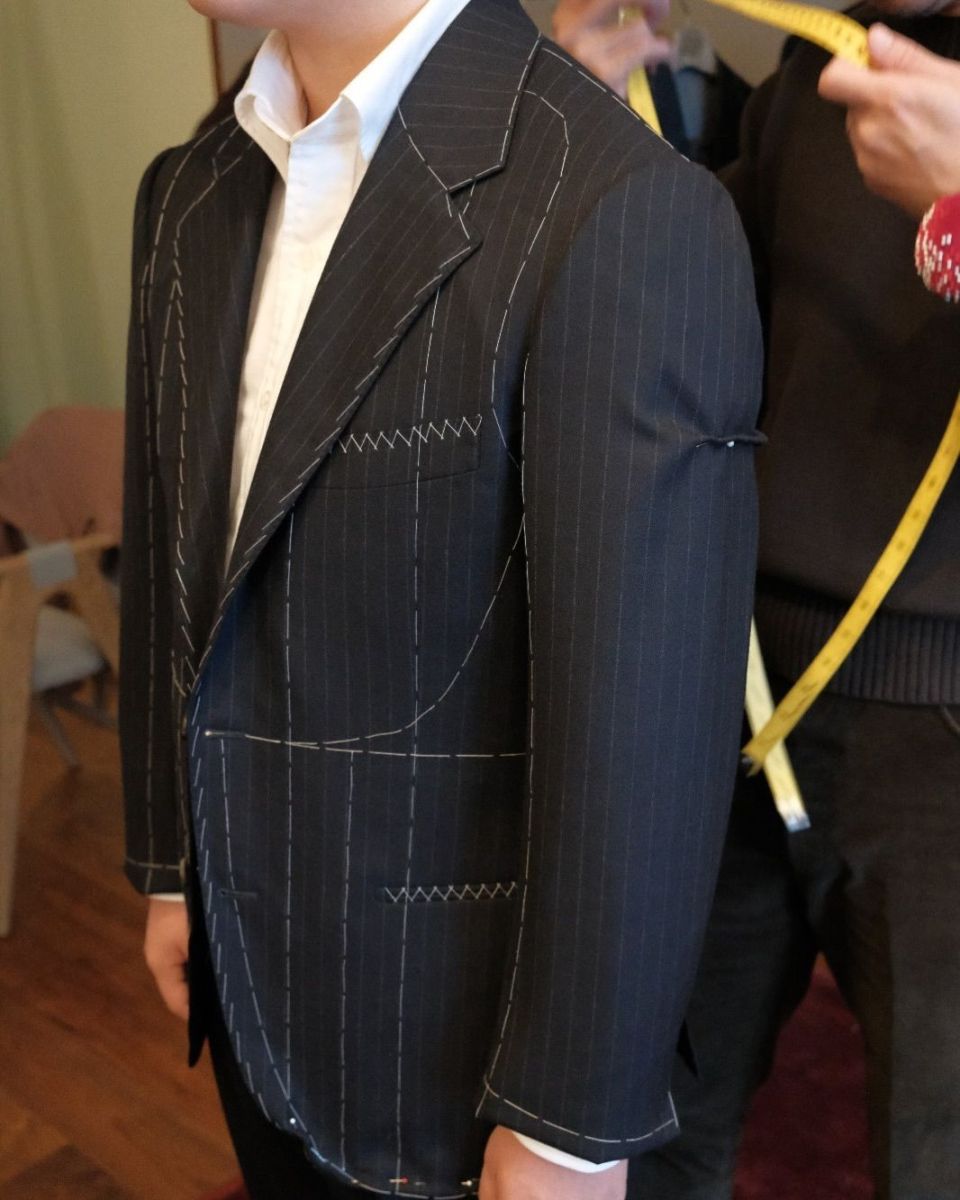
To ensure your investment delivers maximum utility, it helps to match your fabric selection directly to the specific scenarios where you will wear the suit.
Scenario A: The Daily Business Executive
-
The Goal: Professionalism, wrinkle-resistance, day-long comfort.
-
Best Fabric Choice: Premium Worsted Wool.
-
Colors: Navy, Charcoal Grey, Mid-Grey.
Scenario B: The Destination Wedding / Groomsman
-
The Goal: Elegance, breathability, looking sharp in outdoor photographs.
-
Best Fabric Choice: Linen-Silk blends, Cotton-Linen blends, or high-twist Tropical Wool (Fresco).
-
Colors: Tan, Cream, Light Blue, or Sage Green.
Scenario C: The High-Profile Evening Gala
-
The Goal: Sophistication, luxury, commanding the room.
-
Best Fabric Choice: Fine Wool blended with Silk or Mohair for a subtle, beautiful sheen under evening lights.
-
Colors: An iconic, deep black suit or Midnight Blue tuxedo.
5. How to Spot High-Quality Fabric: What to Look For at Your Tailor
When you visit a workshop for a custom suit Ho Chi Minh, you shouldn't just look at the fabric—you should interact with it. Here are four quick tests you can perform right at the cutting table to assess fabric quality:
1. The Touch Test (The "Hand")
Rub the fabric between your thumb and index finger. High-quality wool should feel smooth, soft, and substantial. It should never feel scratchy, stiff, or greasy (a sign of cheap synthetic coatings).
2. The Squeeze Test (Wrinkle Recovery)
Gather a handful of the fabric swatch and squeeze it tightly for 5 seconds, then release it. High-quality natural wool will spring back almost immediately, leaving very few or no visible creases. If the fabric remains heavily wrinkled, it lacks the natural elasticity of long-staple wool.
3. The Light Test
Hold the fabric swatch up against the light. Look at the consistency of the weave. An exceptional fabric features a perfectly uniform weave without random gaps, knots, or thinning areas.
4. Check the Salvage (The Fabric Edge)
Look at the woven edge of the fabric roll (the selvage). Premium mills will proudly weave their name, origin, and fabric specifications directly into the edge (e.g., "Made in Italy - All Wool"). If the fabric book lacks clear labeling or branding, it may be a lower-tier mass-market textile.
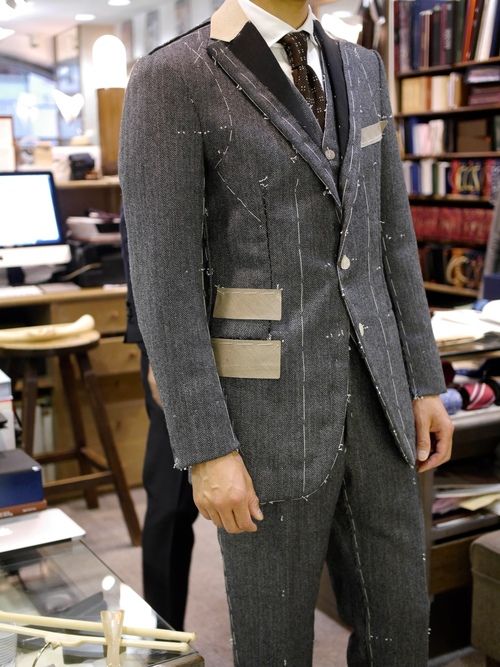
6. Why Choose Ba Vi Tailor for Your Custom Suit Ho Chi Minh?
At Ba Vi Tailor, we believe that crafting a bespoke suit is a collaborative art form. We don't just take your measurements; we take the time to understand your lifestyle, your career, and your comfort preferences.
Here is why discerning gentlemen trust us as the best tailor Ho Chi Minh:
-
Curated Global Fabric Library: We stock an elite selection of genuine international fabrics, sourcing the finest wools, linens, and silks from legendary mills in Italy, England, and Japan.
-
Master Craftsmanship: Every custom suit Ho Chi Minh produced in our atelier is cut by seasoned masters who understand how different fabrics behave, ensuring a flawless drape tailored uniquely to your posture.
-
Tropical Climate Specialization: Living in Saigon, we understand heat and humidity. We specialize in sourcing lightweight, unlined, and half-canvased construction styles that keep you incredibly cool without ever sacrificing structural sharpness.
-
Uncompromising Personalization: From button choices and lapel widths to bespoke inner lining patterns, every detail of your suit is customized to your exact specifications.
Conclusion:
Your suit is an investment in your personal brand. By choosing the correct fabric—balancing fiber composition, weight, weave, and color—you ensure that your garment remains comfortable, striking, and durable for years to come. Whether you need a crisp corporate uniform, a relaxed weekend linen blazer, or a timeless, authoritative black suit, the choices you make at the fabric stage lay the groundwork for a stunning final product.
Let us help you bring your vision to life. Visit Ba Vi Tailor today to explore our exclusive fabric collections, speak with our master consultants, and experience the unparalleled luxury of a true custom suit.
Contact Ba Vi Tailor - The Best Tailor Ho Chi Minh
Ready to design your dream suit Ho Chi Minh? Step into our atelier or book a private consultation today.
-
📍 Address: 329/2 Dien Bien Phu Street, Ban Co Ward, District 3, Ho Chi Minh City, Vietnam
-
📞 Phone: 0918 430 194
-
🌐 Website: bavitailor.com


