


In modern corporate environments and upscale social settings, the traditional rules of tailoring have undergone a quiet revolution. The stiff, boxy suits of the 1990s, heavy padding, and razor-sharp corporate uniforms are no longer the sole symbols of status. Today, true sartorial elegance sits at the intersection of refinement and ease.
Men who dress well no longer want to look like they are heading to a court hearing or a bank board meeting every time they wear a jacket. Instead, they seek an understated, effortless luxury aesthetic: a suit that looks undeniably high-end, bespoke, and costly, yet feels fluid, comfortable, and appropriately casual for contemporary lifestyle demands.
So, what exactly transforms a suit ho chi minh gentlemen wear from looking like an everyday off-the-rack work uniform into an expensive, elevated masterpiece that feels relaxed rather than overly formal?
At Ba Vi Tailor, widely celebrated as a preferred destination for the best tailor ho chi minh experience, we dissect the subtle nuances, construction secrets, fabric choices, and design details that yield the ultimate luxury casual suit.
1. The Paradox of Modern Luxury: Refined vs. Rigid
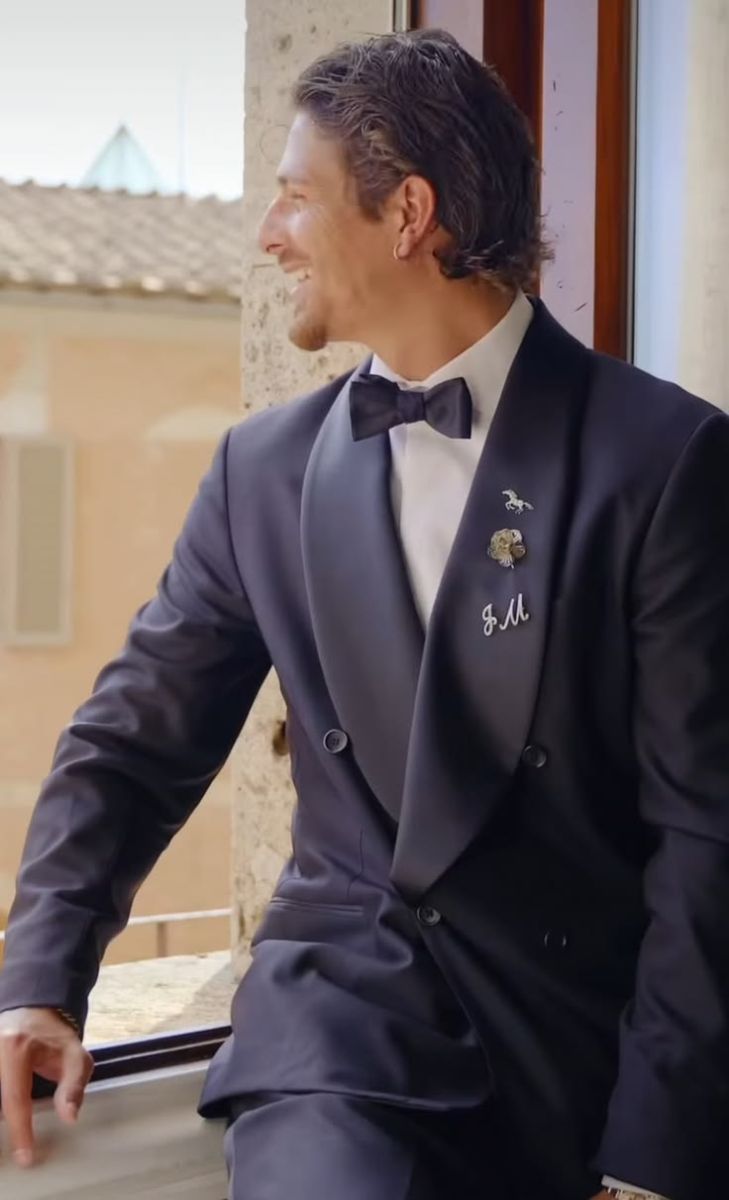
To make a suit look high-end without looking like a stiff corporate uniform, one must first understand the fundamental difference between quality and formality.
Many men mistakenly believe that making a suit look expensive requires adding more structure: wider padded shoulders, rigid canvas chest pieces, peak lapels, and heavy, pristine fabrics. However, overly structured garments often convey rigidity rather than luxury.
In the world of bespoke menswear, true luxury is communicated through softness, drape, tactile richness, and natural movement.
When a suit moves fluidly with your body, skims your silhouette effortlessly, and features deep, textured fabrics, it whispers wealth rather than shouting for attention.
2. Fabric Choice: The Secret to Depth, Texture, and Lustrous Matte
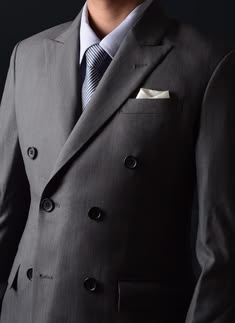
If fit is the soul of a suit, the fabric is its skin. Nothing reveals a cheap suit faster than synthetic fibers or a flat, shiny finish. Conversely, high-end fabrics give a suit an immediate impression of luxury—even when the suit is styled casually with an open-collar shirt or a knitted polo.
A. Texture Over Shine
Cheap suits made from polyester blends often have an unnatural, reflective shine under sunlight or indoor lighting. Expensive fabrics, however, possess a rich matte depth or a natural, subtle luster derived from high-grade natural fibers.
To achieve an expensive look that isn't overly formal, opt for textured weaves rather than flat worsted wools:
-
Hopsack Wool: A loose, basket-weave construction that adds rich texture, resists wrinkles, and breathes remarkably well.
-
Wool-Silk-Linen Blends: Combining the structure of wool, the soft sheen of silk, and the airy texture of linen creates a multidimensional cloth that screams luxury leisure.
-
Flannel: For cooler climates or autumn evening wear, soft wool flannel provides a velvety matte texture that softens the lines of a suit.
-
High-Twist Fresco Wools: Ideal for warm climates, these fabrics drape beautifully, hold their shape, and offer an airy, porous texture.
B. Micron Count and Fiber Quality
High-end tailoring utilizes wool from elite European mills (such as Loro Piana, Zegna, Holland & Sherry, or Dormeuil). Wools rated between Super 110s and Super 130s strike the perfect balance: soft enough to feel silky and drape gracefully, yet durable enough to maintain structural integrity over time.
3. Shoulder Construction: Embracing Softness and Natural Lines
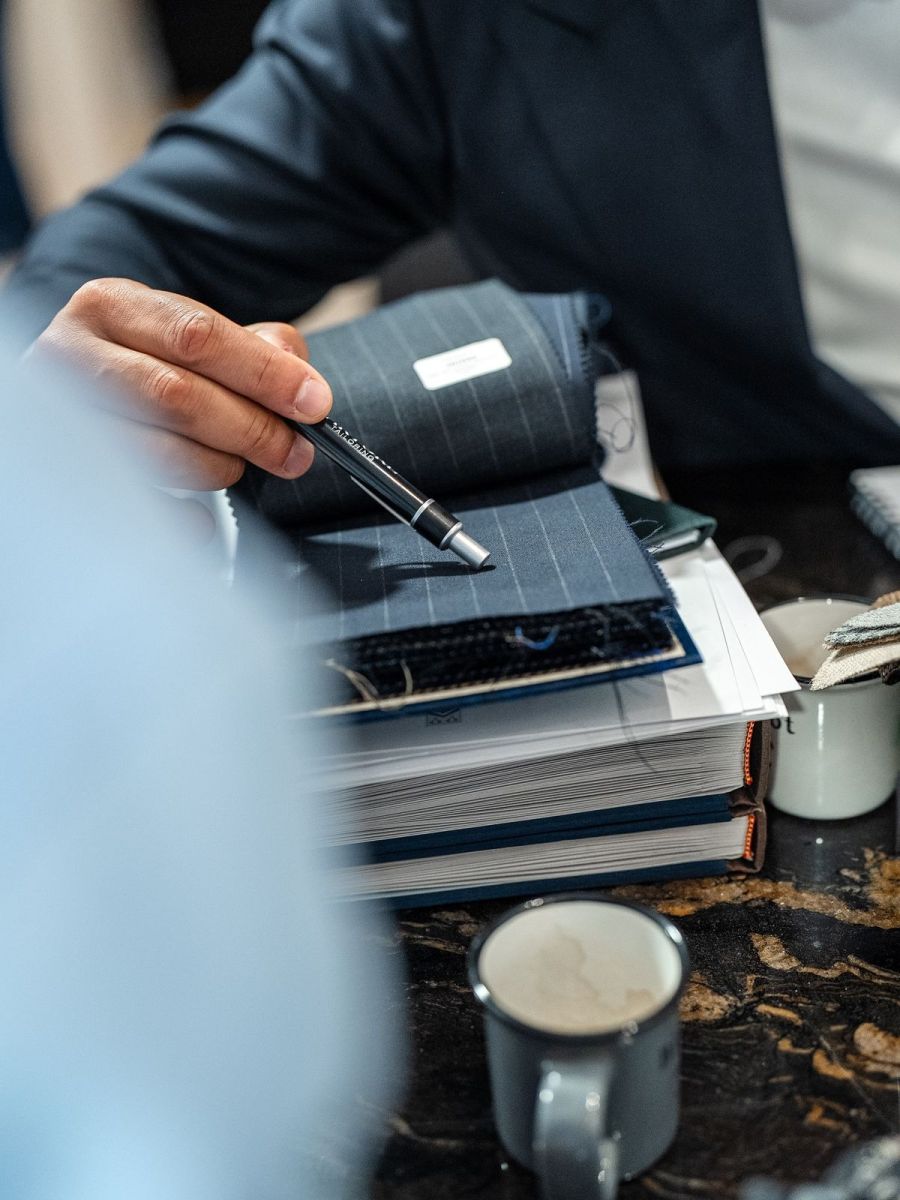
The shoulder line of a suit jacket dictates its entire character and formal weight.
A. The Stiff Padded Shoulder (Formal)
Traditional British corporate tailoring relies on structured shoulder pads, canvas headings, and sharp sleeve crowns. While effective for imposing military-style authority, it instantly signals strict formality.
B. The Neapolitan & Spalla Camicia Shoulder (Expensive & Relaxed)
To make a custom suit ho chi minh executives wear look expensive while remaining relaxed, master tailors employ soft or unconstructed shoulder heads:
-
Spalla Camicia (Shirt Shoulder): The sleeve fabric is inserted under the shoulder seam like a shirt, featuring subtle natural shirring (folds) along the armhole. This detail requires hand-stitching by an experienced tailor ho chi minh artisan.
-
Zero Padding (Unconstructed): By removing stiff padding altogether, the jacket hugs your natural shoulder contour. It looks organic, bespoke, and comfortable, signaling that the garment was built specifically for your body frame.
4. Interior Architecture: Lightness and Fluidity
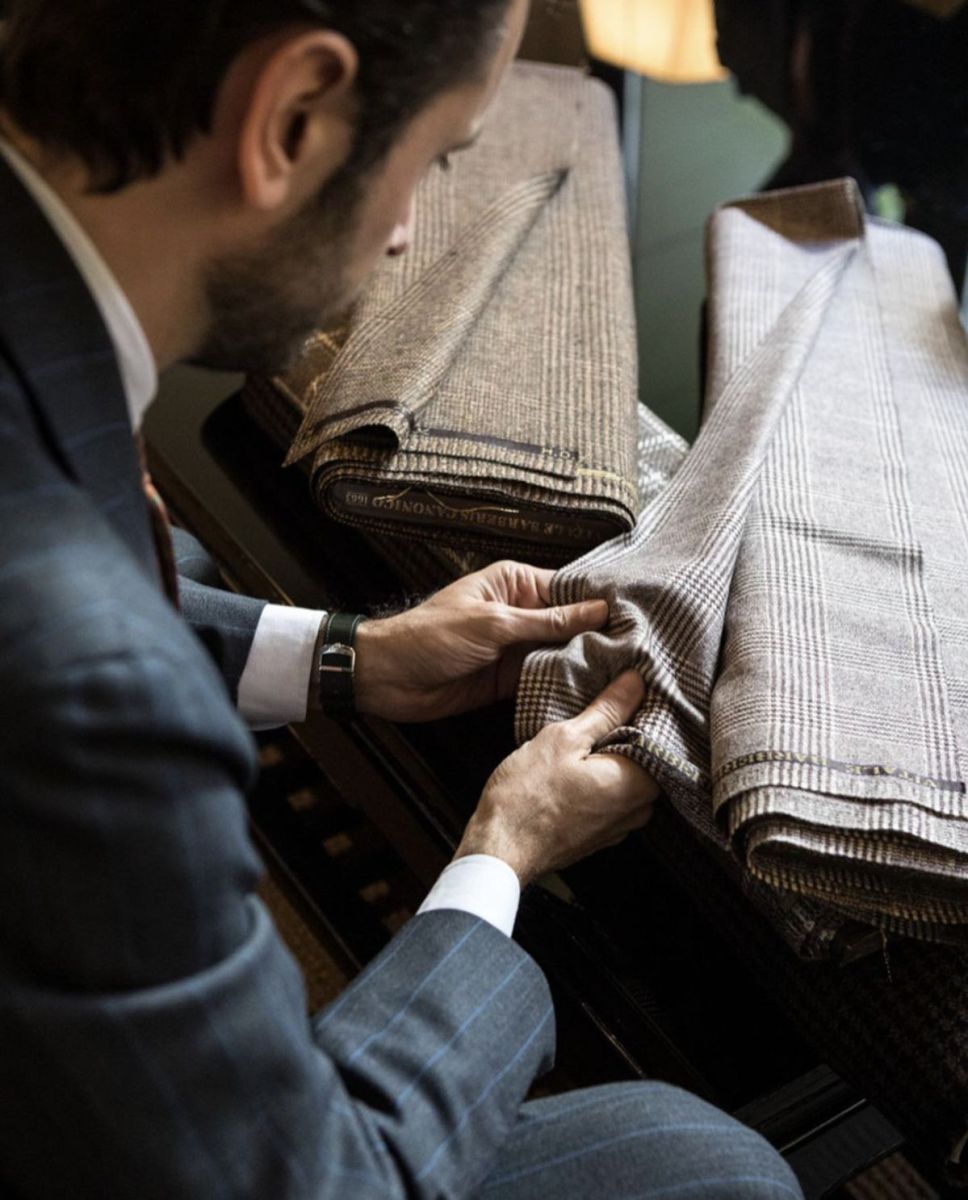
What sits inside your jacket coat determines how it wears and moves throughout your day.
Full Canvas vs. Half Canvas vs. Unlined
-
Fused Suits (Cheap): Mass-produced suits use glue to attach interlining to the outer shell. This results in a stiff, lifeless garment that traps heat and bubbles after dry cleaning.
-
Floating Full Canvas (High Formal): Uses natural horsehair canvas throughout the front panel to create structure and memory over time.
-
Half-Canvas & Quarter-Lined (Luxury Casual Balance): For a suit that looks expensive without feeling heavy or overly formal, a half-canvas construction with a quarter or butterfly lining is king.
A quarter-lined jacket exposes the internal hand-bound seams inside the garment. Showing clean interior seam finishes (piping) actually demonstrates to connoisseurs that your suit was meticulously hand-crafted inside out.
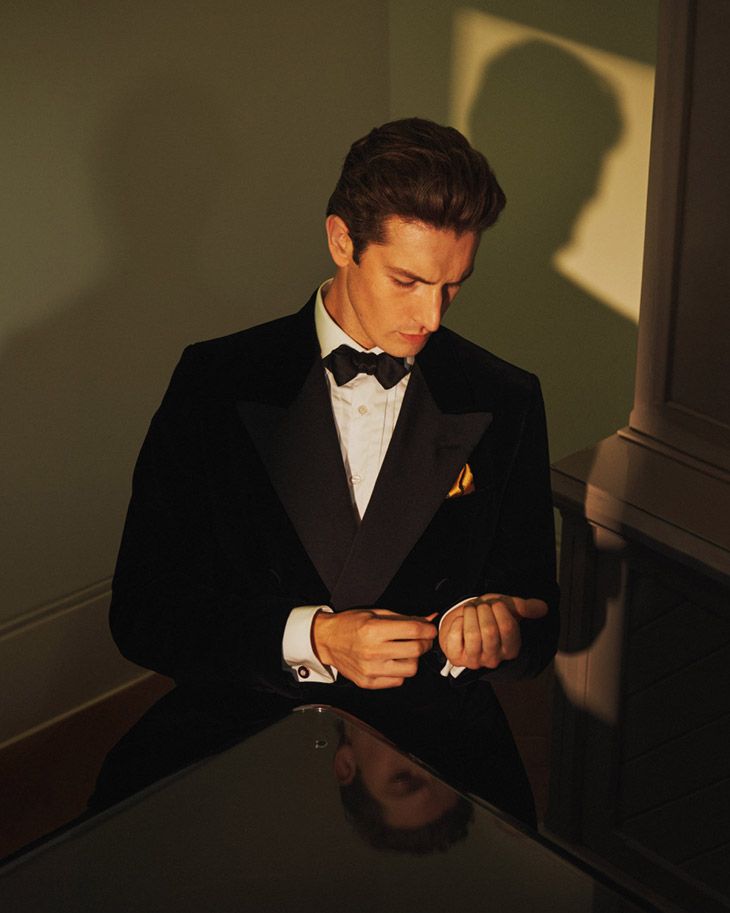
5. Subtle Handcrafted Details That Signal Bespoke Quality
True sartorial connoisseurs recognize expensive tailoring not by loud logos, but by subtle, functional hand-finishing details. Incorporating these small accents gives your suit a distinct bespoke character.
A. Real Functional Buttonholes (Surgeon's Cuffs)
On cheap off-the-rack suits, sleeve buttons are purely decorative and sewn directly over closed fabric. On a high-end custom suit ho chi minh created by Ba Vi Tailor, sleeve buttonholes are genuinely functional and hand-cut.
Styling Tip: Unbuttoning the last cuff button casually signals that your suit features true surgeon’s cuffs, adding an air of effortless sophistication (sprezzatura).
B. Hand-Stitched Lapel Buttonholes (Milanese Loop)
A hand-sewn lapel buttonhole—crafted with silk thread and raised slightly—takes a master tailor up to an hour to complete. It adds a subtle 3D texture to the lapel that machine-made suits simply cannot replicate.
C. Pick Stitching (Barchetta and Edge Stitching)
Pick stitching refers to delicate, slightly irregular stitching along the edges of the lapels, pockets, and jacket fronts.
-
It keeps lapel edges sharp without heavy pressing.
-
It visually confirms that human hands—not automated industrial machines—built the garment.
D. The Barchetta Chest Pocket
Instead of a straight, flat chest pocket, a luxury suit features a Barchetta (Italian for "little boat") pocket. The welt curves gently upward like the bow of a ship, mirroring the natural curvature of the human chest and adding a graceful line to the upper jacket torso.
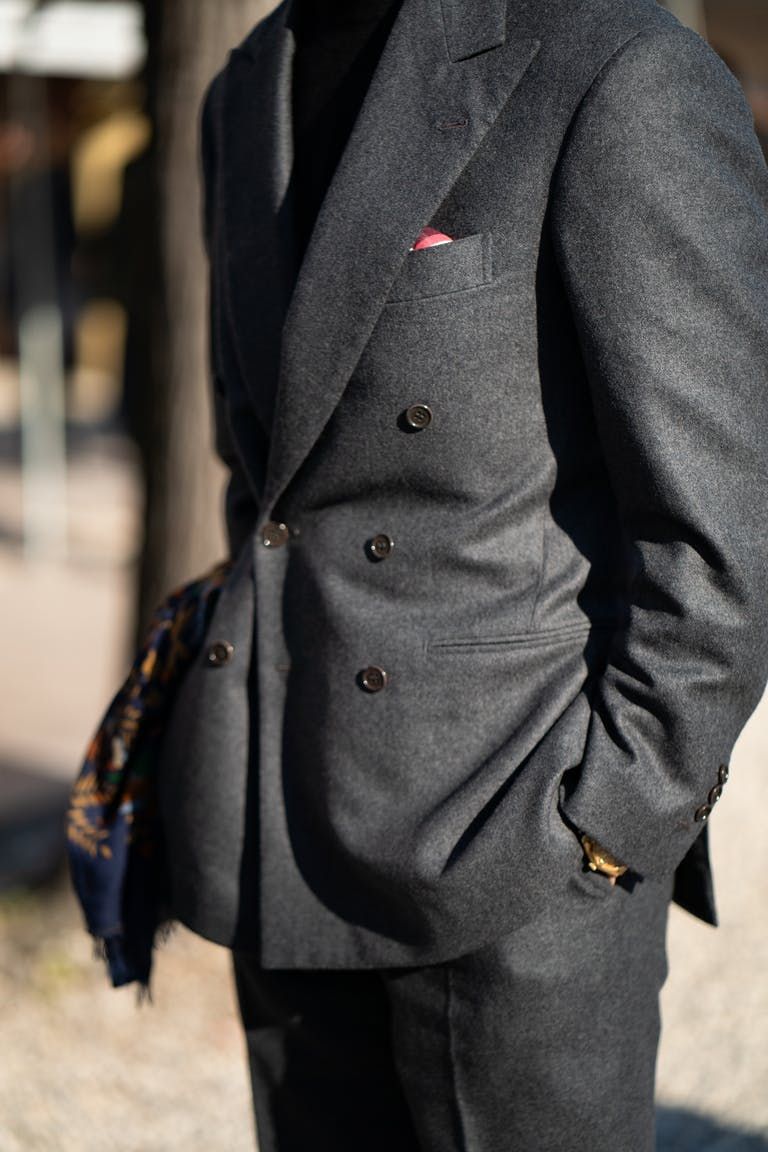
6. Color Palette: Stepping Beyond Corporate Navy and Grey
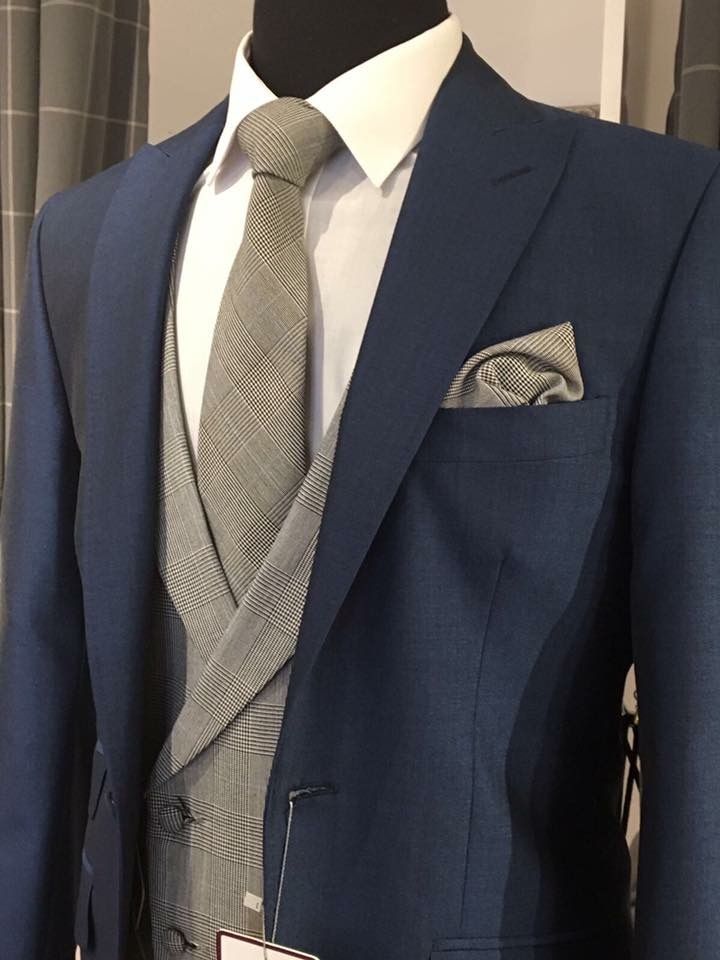
Color plays a vital role in setting the tone between strictly formal and effortlessly expensive. While traditional navy blue and charcoal grey scream boardroom meetings, alternative sophisticated shades project luxury and versatility.
A. Earthy & Sophisticated Tones
-
Tobacco / Cognac Brown: Rich, warm, and distinctly European. It looks exceptionally expensive when paired with crisp white or cream shirts.
-
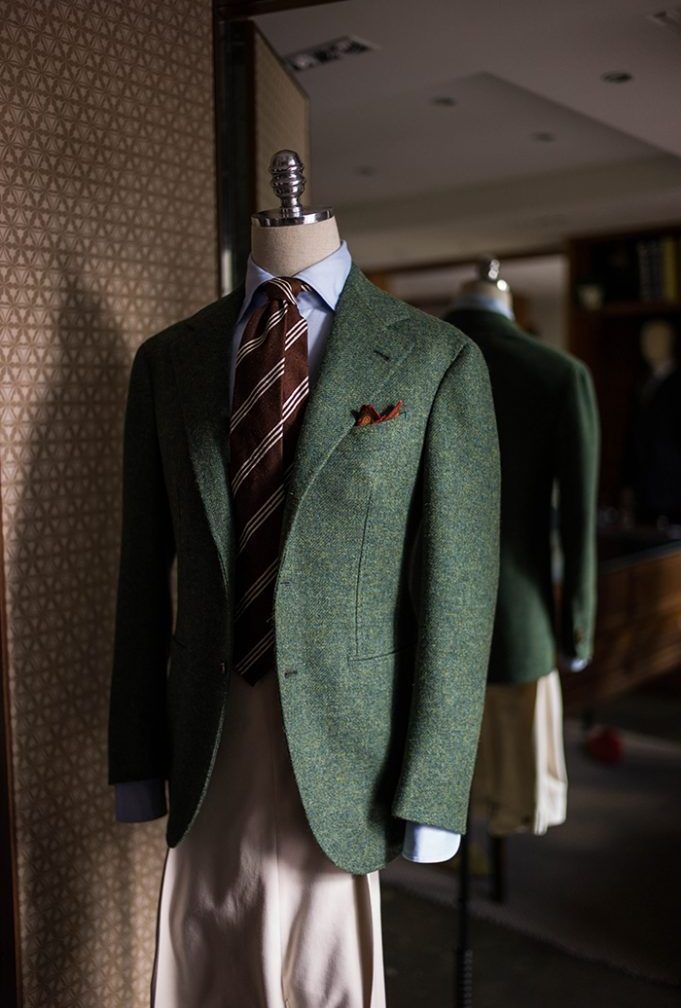
Sage & Olive Green: Understated, modern, and stylish. Perfect for informal outdoor events, upscale dinners, and creative business hubs.
-
Taupe & Sand / Cream: Luxurious summer shades that look brilliant in linen or wool-silk-linen blends.
B. Reimagining the Classic Black Suit
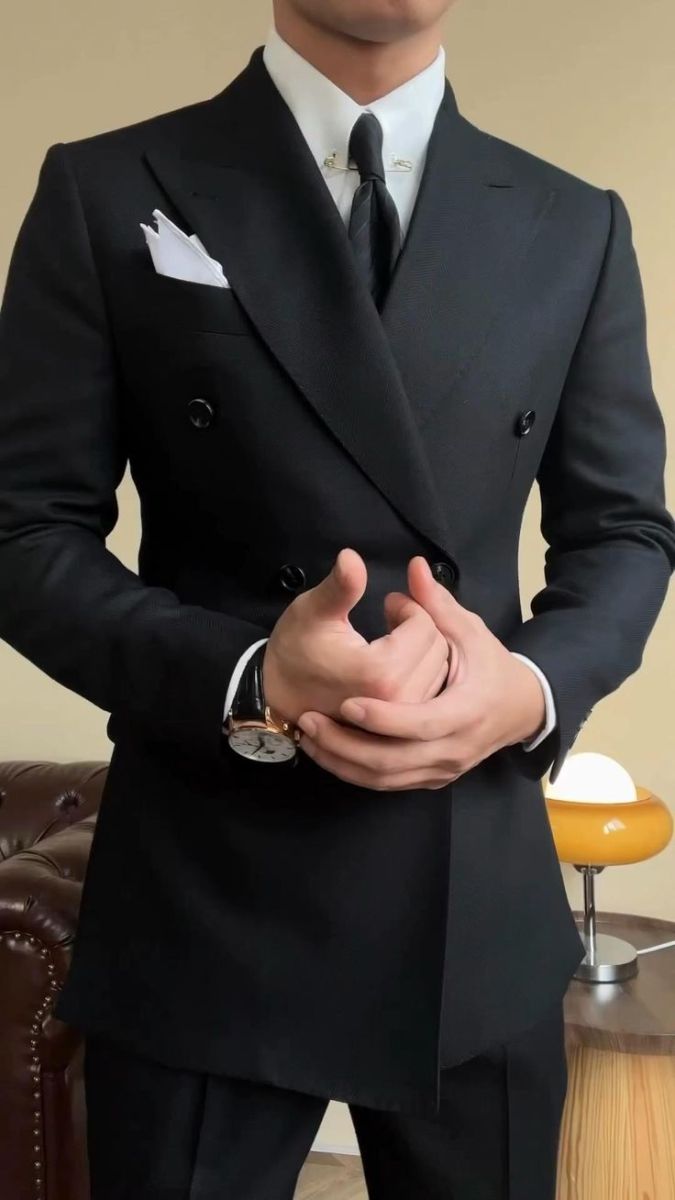
The black suit is often associated with black-tie galas, funerals, or formal evening events. However, when tailored and styled correctly, a black suit can look effortlessly elevated and modern without feeling overly ceremonial.
How to Make a Black Suit Look Relaxed Yet Expensive:
-
Choose a Matte Finish: Avoid shiny black synthetics. Opt for 100% matte wool twill, barathea, or wool-linen blends that absorb light gracefully.
-
Soften the Structure: Ask your tailor ho chi minh artisan for soft shoulders, patch pockets, and minimal chest padding.
-
Ditch the Traditional Tie: Pair your black suit with a black fine-knit turtleneck, a cream camp-collar silk shirt, or a high-end luxury white T-shirt.
-
Matte Hardware: Replace bright shiny horn buttons with matte black horn or dark smoke mother-of-pearl buttons.
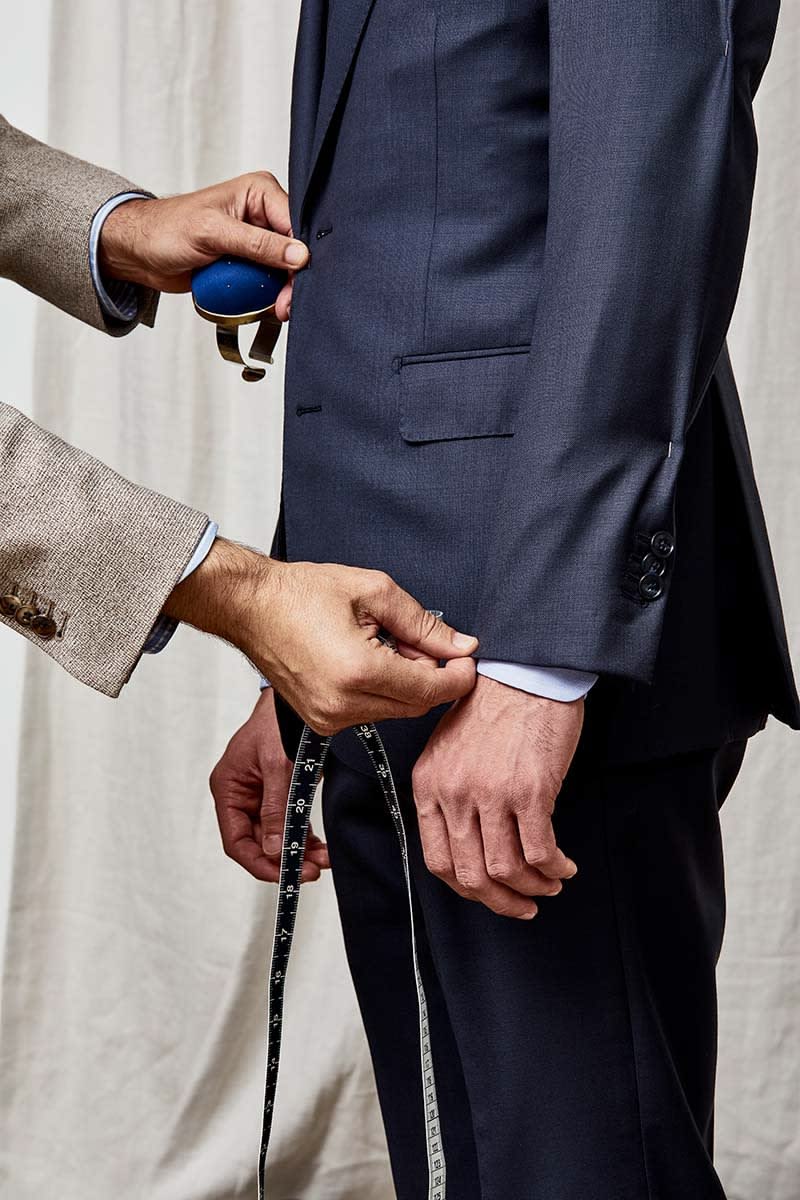
7. Trouser Design & Cut: The Tailored Waist Advantage
Lower-half styling drastically influences whether a suit appears rigidly corporate or casually expensive.
A. Ditching Belt Loops for Side Adjusters
Belts cut your torso in half visually and add unnecessary bulk around the midsection. Expensive suits substitute belt loops for gurate side adjusters (metal buckles or button tabs on the waistband).
-
Side adjusters create a seamless, clean waistline.
-
They accentuate your hip-to-waist drop and visually elongate your legs.
B. Extended Waistbands (Hollywood Waist)
An extended waistband tab with a hidden waistband button closure keeps the front zipper placket completely smooth, laying flat across the abdomen.
C. Single Pleats vs. Flat Fronts
While double deep pleats lean heavily traditional, a subtle single forward pleat offers functional comfort across the thighs when sitting, while adding an elegant, fluid drape line down the front leg crease when standing.
| Trouser Element | Stiff / Corporate | Expensive / Casual Luxury |
| Waist Attachment | Standard Belt Loops + Leather Belt | Metal Side Adjusters or Side Tabs |
| Waistband | Standard Button / Hook | Extended Tab (Hollywood Waistband) |
| Front Style | Flat Front or Heavy Double Pleat | Subtle Single Forward Pleat |
| Hem Finish | Full Heavy Break | No Break or Slight Quarter Break |
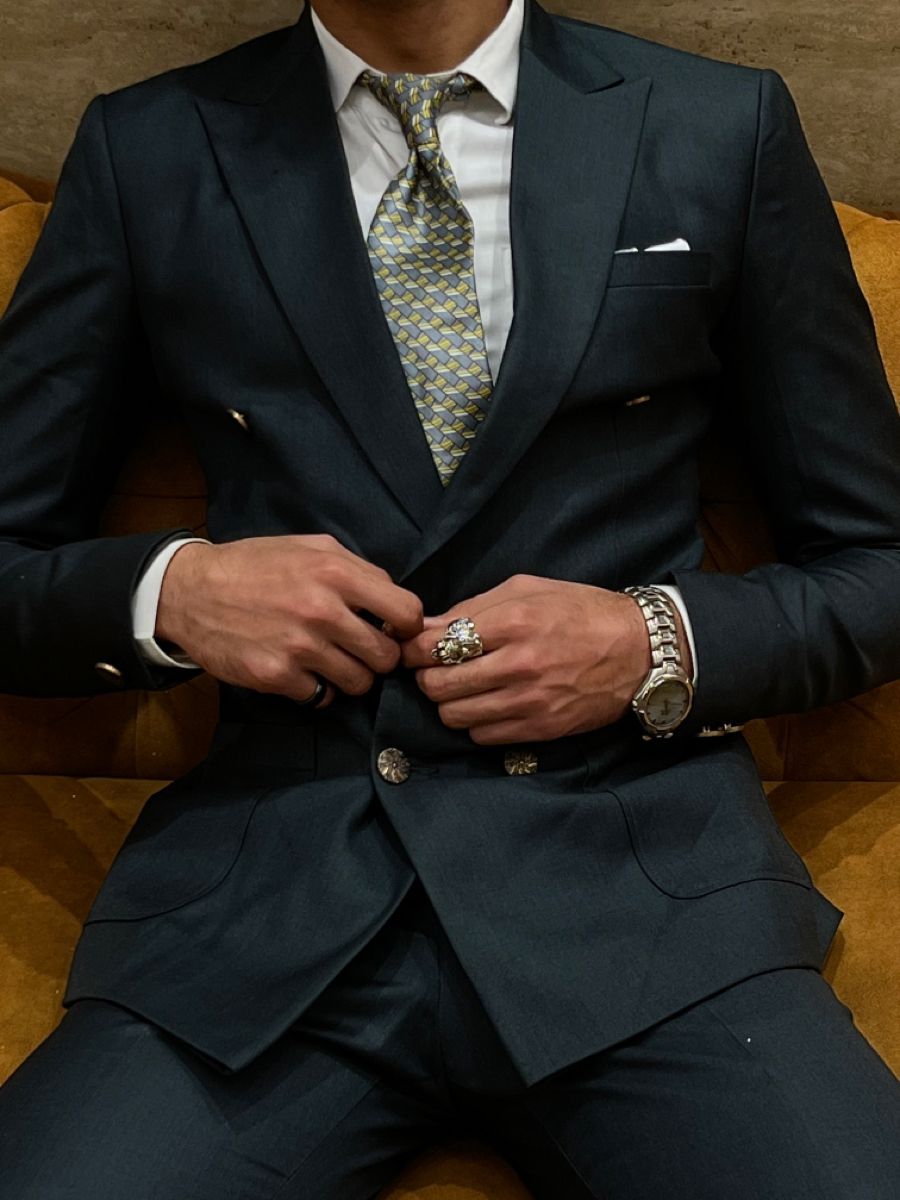
8. High-End Trim Elements: Natural Horn, Bone, and Shell
Mass-produced suits keep costs low by using molded plastic buttons painted to look like horn or wood. Under scrutiny, plastic buttons look flat, cheap, and artificial.
An expensive suit is distinguished by natural button trim:
1. Buffalo Horn Buttons
Durable, heavy, and featuring unique natural grain swirl patterns. No two genuine horn buttons are identical.
2. Mother-of-Pearl (MOP) Buttons
Sourced from natural ocean shells, mother-of-pearl buttons exhibit an iridescent depth that catches light beautifully, making them ideal for light-colored or summer suits.
3. Corozo (Vegetable Ivory) Buttons
Made from the nuts of tagua palm trees, corozo buttons take dye beautifully, showing fine wood-like grain textures under close inspection.
9. How to Style a High-End Suit Casually
Even the most meticulously built bespoke suit can look stiff if styled incorrectly. Mastering relaxed luxury requires pairing your suit with contrasting casual elements.
Style Formula 1: The Contemporary Smart-Casual
-
Suit: Soft-shoulder hopsack suit in Tobacco Brown or Navy.
-
Base: Fine-gauge merino wool long-sleeve knit polo shirt (in Cream or Charcoal).
-
Footwear: Unlined suede penny loafers or minimalist leather dress sneakers.
Style Formula 2: The Monochromatic Evening Look
-
Suit: Matte black suit with soft shoulders and patch pockets.
-
Base: Dark charcoal or black silk-blend camp collar shirt (worn with the collar laid over the jacket lapels).
-
Footwear: Black calfskin Belgian loafers or sleek chelsea boots.
Style Formula 3: The Tropical Resort Executive
-
Suit: Sand or Sage Green wool-linen blend suit ho chi minh style.
-
Base: Crisp white poplin dress shirt (top two buttons unbuttoned, no tie).
-
Accents: Silk pocket square tucked loosely into the Barchetta pocket.
-
Footwear: Dark brown suede driver shoes or tassel loafers.
10. Climate Considerations: Tailoring for Warm Environments
Creating a luxury suit that feels relaxed in warm, tropical climates—such as Ho Chi Minh City—demands specialized tailor knowledge. High humidity and heat can make heavy, structured garments unbearable to wear.
When commissioning a custom suit ho chi minh at Ba Vi Tailor, we implement climate-smart construction techniques:
-
Breathable Open Weaves: Utilizing porous weaves that allow air breeze to pass through the jacket cloth.
-
Minimalist Canvas Weight: Reducing interior chest padding without sacrificing shape memory.
-
Breathable Bemberg / Cupro Linings: Replacing synthetic polyester linings with natural cellulose linings that absorb moisture and stay cool to the touch.
11. Checklist: 8 Features That Make a Suit Look Effortlessly Expensive
Use this handy checklist when auditing your wardrobe or reviewing garments at your next tailoring fitting:
-
[ ] Natural Shoulders: Zero or minimal shoulder padding that follows your body curve.
-
[ ] Rich Matte Texture: Natural wool, linen, or silk blend fabrics with deep dimensional weave instead of flat synthetic shine.
-
[ ] Barchetta Pocket: Gently curved chest pocket welt.
-
[ ] Real Surgeon's Cuffs: Functional sleeve buttonholes with genuine horn or mother-of-pearl buttons.
-
[ ] Clean Waistband: Side adjusters instead of belt loops for a smooth, unbroken line.
-
[ ] Hand-Stitched Details: Subtle pick stitching along lapels and pocket edges.
-
[ ] Fluid Drape: Half-canvas internal structure that sways naturally as you move.
-
[ ] Unstructured Comfort: Soft, lightweight lining that provides breathable freedom.
12. Why Choose Ba Vi Tailor for Your High-End Bespoke Suit?
Achieving a suit that balances expensive craftsmanship with relaxed versatility requires more than just high-quality fabric—it demands the trained eye and hand of a master artisan.
At Ba Vi Tailor, located in the center of District 1, Ho Chi Minh City, we specialize in modern bespoke tailoring. We merge classic European sartorial discipline with contemporary relaxed aesthetics, crafting garments that feel like a second skin.
What You Experience at Ba Vi Tailor:
-
Tailored Consultation: We take the time to understand your lifestyle, wardrobe needs, and personal aesthetic to guide your fabric choices.
-
Bespoke Personalization: Every detail—from soft shoulder pitch to custom horn button selection, lining placement, and pick-stitching thread—is built around your preferences.
-
Unrivaled Craftsmanship: Recognized as a top choice for the best tailor ho chi minh experience, our master craftsmen bring decades of tailoring heritage to every needle stitch.
13. Frequently Asked Questions (FAQs)
Q1: How does a soft-shoulder suit differ from a traditional business suit?
A soft-shoulder suit eliminates or drastically reduces stiff shoulder pads and canvas chest padding. This allows the suit to drape naturally over your shoulders, producing a relaxed, athletic silhouette that looks luxurious rather than stiffly corporate.
Q2: Can a casual luxury suit still be worn to formal business meetings?
Yes! By choosing a dark neutral shade (such as dark navy, charcoal, or deep matte black) in a soft-structured cut, you can wear it with a tie for formal meetings, or open-collared with loafers for dinner events.
Q3: Why are side adjusters preferred over belt loops on high-end suit trousers?
Side adjusters give trousers a clean, tailor-made appearance by eliminating bulky leather belts. They keep the waist lying flat and uninterrupted, which enhances your body's natural drop and visually lengthens your legs.
Q4: How long does it take to create a custom suit at Ba Vi Tailor in Ho Chi Minh City?
Our complete bespoke tailoring process typically takes between 3 to 7 days, including intermediate fitting sessions to perfect your jacket drape and trouser line. Express tailoring services are also available for short-stay international guests.
Redefine Your Wardrobe with Ba Vi Tailor
An expensive suit does not need to feel like a heavy uniform. Elevate your personal style with a soft, perfectly fitted, hand-crafted suit that seamlessly transitions from executive boardrooms to casual luxury evenings.
Visit Ba Vi Tailor today and experience the pinnacle of bespoke craftsmanship in Vietnam.
Contact Us & Book Your Fitting Consultation:
-
Brand Name: Ba Vi Tailor
-
Address: 329/2 Dien Bien Phu Street, Quarter 6, Ban Co Ward, Ho Chi Minh City, Vietnam
-
Phone / WhatsApp: 0918 430 194
-
Official Website: bavitailor.com


